Badge
How Powerplay Helped PlenOptika Scale Qualified Pipeline by 3x
With a category-defining medical device and growing demand for low-cost eye care, PlenOptika needed a scalable GTM motion.
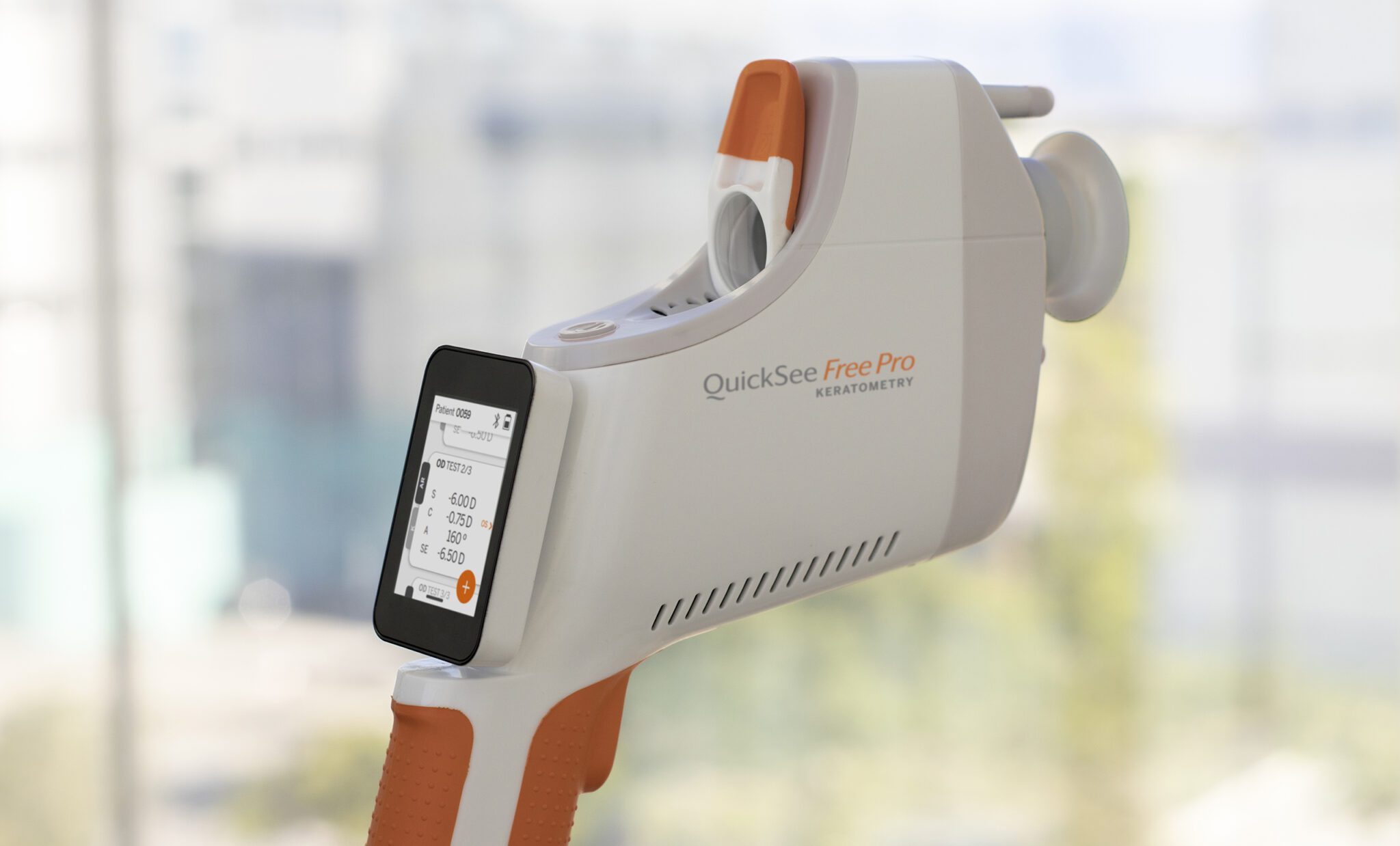
With a category-defining medical device and growing demand for low-cost eye care, PlenOptika needed a scalable go-to-market motion. Powerplay's outbound engine not only increased qualified meetings by 3x within 90 days, it unlocked new distribution channels across LATAM, Africa, and Southeast Asia.
"We direly needed sales development, but didn’t have the capacity to build out these systems ourselves. Powerplay handled all the lead sourcing, positioning, and follow-up so we could just stay focused on closing deals. It was plug-and-play in the best sense."
— John Strobel, VP of Sales, PlenOptika
The startup
PlenOptika is the maker of QuickSee™, a breakthrough portable autorefractor that makes affordable vision care accessible to low-resource communities. Backed by the Gates Foundation and Tata Trusts, the MIT-spun startup is redefining the future of global eye care—partnering with NGOs, hospitals, and public health institutions around the world.
The opportunity
Despite strong product-market fit and successful pilots, PlenOptika’s growth was bottlenecked by outdated GTM systems. It's inbound channels were competitive and inconsistent—producing scattered leads across continents without qualification.
PlenOptika’s lean commercial team was stretched thin. Sales was led by a two-person team. They had no dedicated SDRs, no prospecting infrastructure, and no scalable process for identifying or engaging new stakeholders at government or NGO levels.
Lead sourcing was manual—driven by conference lists, personal networks, and cold LinkedIn outreach. As a result, high-value opportunities were slipping through the cracks, and the sales team spent more time qualifying unfit leads than closing aligned ones.
To make matters worse, the nature of their sales cycle demanded multi-stakeholder buy-in and deep product education. All of this added up to significant hurdles in the team's goal to scale beyond $1M in retail sales annually.
"This was a true partnership from the beginning. Powerplay helped us really home in on how we sell and who we sell to. It’s been a force multiplier for our team."
— John Strobel, VP of Sales, PlenOptika
Scaling pipeline with Powerplay's outbound engine
To help the PlenOptika team meet its aggressive revenue goals, Powerplay went to work implementing its outbound engine. Powerplay helped PlenOptika go-to-market and scale pipeline in four critical ways.
ICP + TAM Mapping
Powerplay began by analyzing PlenOptika’s highest-performing customer segments to identify four distinct ICPs across both global public health and domestic clinical markets.
ICP Segment | Buyer Role | Region Focus | TAM Estimate |
|---|---|---|---|
U.S. Eye Care Clinics | Optometrists, Ophthalmologists, Clinic Owners | United States | ~33,000 practices (21K optometrists, 12K ophthalmologists) |
NGOs & Global Health Organizations | Program Directors, Procurement Leads | Africa, LATAM | 3,000+ organizations |
Ministries of Health / Gov Depts | Department Heads, Medical Directors | Southeast Asia | 900+ government buyers |
Medical Equipment Distributors | Regional Sales Directors | LATAM, Middle East | 1,200+ organizations |
Using data from public funding records, grant databases, and global NGO partnerships, Powerplay mapped a TAM of over 35,000 accounts with active mission alignment and purchasing authority.
2. Lead Generation & Enrichment
Rather than relying on static lead lists, Powerplay developed a dynamic lead sourcing process focused on accuracy, relevance, and buyer readiness. This allowed PlenOptika to identify the right buyers at the right time. Here's how we did it:
Targeted Contact Identification. Using tools like LinkedIn, Apollo, and Clay, Powerplay identified specific decision-makers—clinic owners, medical directors, and procurement leads—who matched PlenOptika's tightly defined ICP criteria.
Enrichment. Powerplay then enriched each lead with program-level context—such as grant activity, global health partnerships, clinic affiliations, and geographic focus. This gave them a clear picture of the buyer’s operating environment, and helped them tailor messaging accordingly.
Timing-Based Signals. Powerplay then monitored external signals like recent funding announcements, pilot launches, procurement cycles, and expansion news to prioritize outreach during windows of active interest and purchasing intent.
This approach allowed for more relevant outreach and better alignment between sales efforts and real buyer priorities.
"What impressed me most was the messaging. From the jump, they really took the time to understand our mission and product. This really helped on demos. The customer already understood what we were selling."
— John Strobel, VP of Sales, PlenOptika
Narrative-Driven Messaging
Powerplay then went to work developing buyer-specific messaging that blended:
Emotional urgency: Mission-driven impact, public health equity, regional access to care
Rational value: Portable accuracy, faster patient screening, WHO-aligned standards
Proof points: Case studies from India, peer-reviewed accuracy validation, successful NGO pilots
Soft CTAs: No-pitch outreach asking for a learning conversation, not a sale
All messaging was adapted across the buyer journey, from awareness to active consideration.
Multi-Channel Outbound Deployment
Once the right prospects were identified and enriched, Powerplay activated a multi-channel outreach strategy, balancing professional presence with direct engagement. We did this across two main channels:
First, we matched every qualified visitor from PlenOptika’s website to a LinkedIn profile, turning anonymous traffic into identifiable LinkedIn prospects. Then, we layered this data with advanced LinkedIn targeting — focusing on role, seniority, and engagement signals — to pinpoint high-intent prospects. We then leveraged AI-personalized outreach to align with PlenOptika’s mission and resonate authentically with busy clinicians and administrators.
This approach delivered 10%+ average reply rates and 25–50% positive response rates—massively productive compared to industry averages.
Email Marketing
In parallel, Powerplay launched targeted email sequences with clear, relevant messaging. Each email was informed by the prospect’s context—like their clinic type, location, or public health work—and written in a conversational tone to encourage replies rather than push a pitch.
The two channels worked together: LinkedIn built awareness and trust, while email drove direct responses and meeting conversions. This multi-touch approach made it easier for prospects to engage on their terms, and helped PlenOptika stay top of mind without being intrusive.
The Powerplay team then qualified and triaged replies, scheduled meetings, and routed qualified meetings directly to PlenOptika’s CRM and sales team.
The Results
In just 90 days, Powerplay’s outbound engine delivered:
3x increase in qualified meetings per month, which helped the PlenOptika team drastically exceed its revenue goals.
$1.2M+ in qualified pipeline generated across U.S. and international segments.
10+ new regional opportunities with distributors and NGO partners
Meetings with UNICEF-funded programs and WHO-affiliated procurement teams
Warm sales conversations with distributors in Brazil, Kenya, and Indonesia
Reply rate of 6.5% and positive response rate of 34%
"Powerplay brought structure and scale to our prospecting. The difference was immediate. We’re now consistently speaking with decision-makers that we couldn't previously reach."
— John Strobel, VP of Sales, PlenOptika
What's Next
PlenOptika is now working with Powerplay on expanding outbound into Spanish-language markets, building out country-specific narrative frameworks, and launching inbound content to support demand creation.